






 Comment
 Print
Print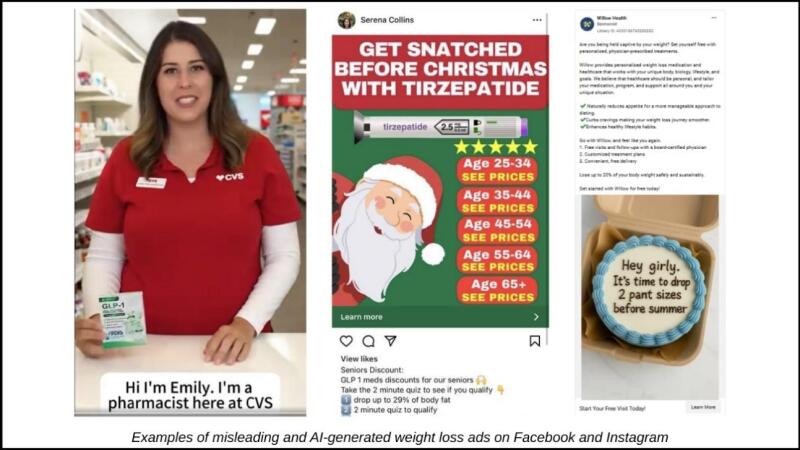
CONCORD - New Hampshire Attorney General John M. Formella and a bipartisan coalition of attorneys general are calling on Meta to better enforce its own policies about pharmaceutical and wellness ads on Instagram and Facebook and take additional measures to prevent AI-generated weight loss content in ads.
These ads are likely to see an uptick during the holiday season and the new year, when conversations around weight loss and appearance tend to increase.
"Consumers deserve honest information, especially when it comes to their health," said Attorney General Formella in a Wednesday statement. "Meta already has deceptive pharmaceutical and wellness advertising prevention policies in place, but those rules are meaningless if they are not enforced. We are urging Meta to take commonsense steps to stop misleading and AI-generated weight loss ads that prey on people's insecurities, misrepresent medical risks, and undermine trust in online marketplaces."
GLP-1 weight loss drugs have exploded in popularity over the last few years, as have ads selling the drugs directly to consumers. Dozens of companies are using Meta's advertising tools to run thousands of ads promoting GLP-1 drugs, most of which are non-FDA approved or compounded.
Meta has existing policies on pharmaceutical and health and wellness ads - but it is not sufficiently enforcing them, according to the AG's statement. Advertisers are supposed to share information about the medical effectiveness and affordability of drugs, only target adults, and not run ads that push a "perfect" body type or foster unhealthy body images.
But the ads on Meta's platforms capitalize on people's dissatisfaction with their bodies and promote weight loss as a tool for self-confidence, desirability, and social mobility - not health. Many ads use body close-ups and side-by-side comparisons and promote weight loss for milestones like the holiday season, weddings, birthdays, and vacations. These ads claim that the drugs will help with rapid weight loss without disclosing the risks and side effects of these medications.
Often, these ads use unlabeled AI-generated content including fake before and after images and nonexistent spokespeople. One ad shows an AI-generated model losing 208 pounds in three weeks. Others use fake AI-created law enforcement officers, nurses, and pharmacists to support their weight loss claims.





 All material on this site is copyright protected under penalty of federal law